Our human family needs us
My eyes have been opened in recent years to the immense suffering of our human family. Whether it is the immigrant population being targeted and treated so inhumanely in our own backyard, the displays of racism by many in our country, and how fortunate I am to have been born into the situation I am, where food, shelter, and safety are a basic right I am afforded. Many are not as fortunate.
How can we respond as musicians? I’m still trying to figure that out. Seek out musicians, artists, activists who are on the front lines. Find ways to collaborate, support and listen to them. Commission new works by musicians that have stories that need to be heard, and find new ways to share and listen.
This past year, I had the privilege of hosting the African Children’s Choirin concert at St. Thomas More, the Ottertrail Native Music and Dance Team, and Javier Jara, who shared immigrant testimonies through song in Our Rhythms, Our Voices. We also streamed Palestinian musician Ahmed Muin’s Gaza Birds Singing during our services, and collaborating with incredible artist, singer, Dana Lewis, who sang the beautiful “Rikhma Enoshit Achat” alongside Chantale Hindi’s moving rendition of “Wa Habibi”, the pairing of Hebrew and Arabic a desperate plea for peace and love specifically in Palestine, Israel and Lebanon, but a symbol of unity and hope the world over.
I commissioned the remarkable Palestinian, Jordanian, and Canadian musician Shireen Abu-Khader to set Palestinian Scholar and Poet Refaat Alareer’s poem If I Must Die to music, which premiered in 2024. A new commission is currently underway with Iranian American composer and multidisciplinary artist Mojgan Misaghi, featuring a multimedia project that incorporates her story. I have also been collaborating with the incredible Ceiba Ili to find meaningful ways to tell the stories of immigrants who are suffering so deeply. Multiple Austin Live Music Fund grants I have received from the city of Austin have supported this work, including a special musical service highlighting immigrant testimonies, again featuring Javier Jara, and Ceiba ili, from Guatemala. In May, a performance of V.A.M.P. vocals, an incredible female led vision for vocal chamber music, was also supported by the Austin Live Music Fund.
There are many ways we can engage in this work. We can donate to organizations doing vital work on the ground, and we can call our elected representatives to voice our support for — or opposition to — policies that directly and indirectly impact people’s lives. Click on the links above and below to learn more.
Let us be a source of change, however small our steps may feel. For too long, our country—its elected officials, policies, and people—has contributed to pain and suffering both around the world and in our own communities. As we open our eyes and take steps toward change, we must acknowledge this painful history while striving, little by little, to do better.
With love,
Michael
Support for a beloved Mother, Musician,
Educator in need
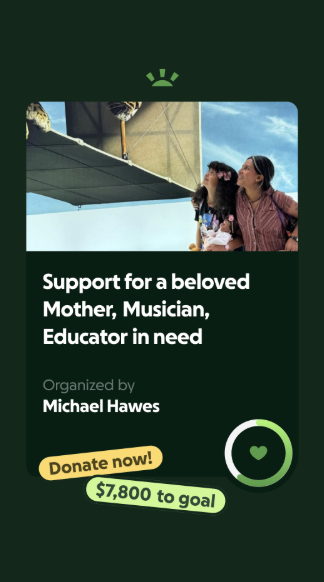
Dear friends, I am organizing this gofundme for a dear colleague, friend, mother, educator, musician and person. This person wishes to remain anonymous for personal reasons. My whole heart is in support of this fundraiser, and I ask you humbly for any support you may be willing to give. Due to her location, I will receive and distribute all funds to her personally. I met this person in Austin, worked with her, performed, collaborated and became friends. The cruelty of our current administration and their mass deportation plan is affecting so many people who are building lives, and have been for many years, legally, in this country. Ningún ser humano es ilegal.

Here is her story:
My child and I are rebuilding our lives after leaving everything behind. We are trying to create a stable life in central America after making the difficult decision to relocate in order to protect our family’s well-being.

Starting over means finding secure housing, enrolling in school, and covering basic daily needs while we establish legal and community roots in a new place. Your support helps us create a steady foundation where a child can grow with dignity and care.

Thank you for being part of our circle of support and for walking this chapter with us.
https://www.gofundme.com/f/support-for-a-beloved-mother-musician-educator-in-need

5 Calls makes it easy for you to reach your members of Congress and make your voice heard.

We research issues, write clearly articulated scripts, figure out the most influential decision-makers, and collect phone numbers for their offices.

All you have to do is call.
RAICESWe deliver legal and social services to people and families who want to put down roots in the u.s. — and cultivate welcoming communities that uphold our collective freedoms.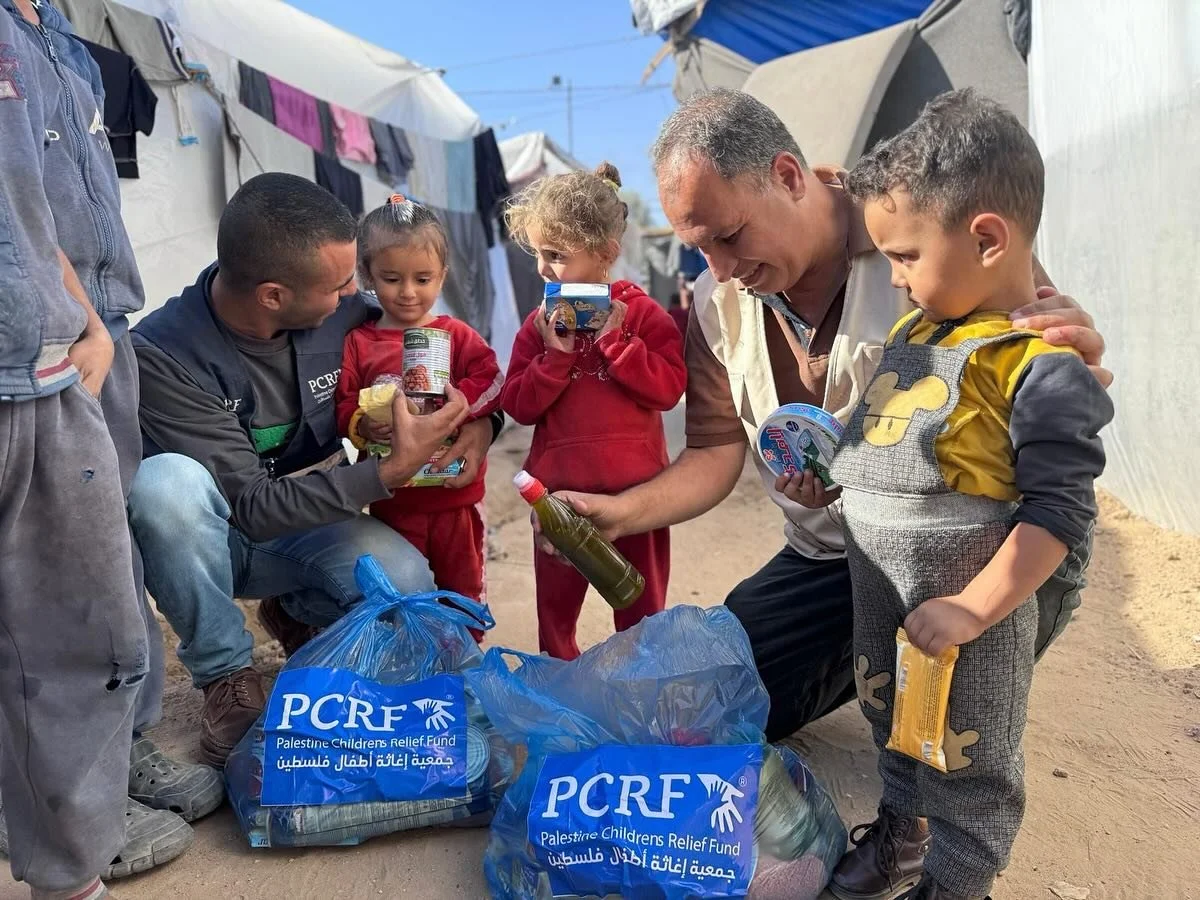
The PCRF

Palestine Children's Relief Fund (PCRF), founded in 1991 by concerned humanitarians in the USA, provides free medical care to thousands of injured and ill children yearly who lack local access to care within the local health care system.  Over the years, we've sent over 2,000 affected children abroad for free medical care, sent thousands of international doctors and nurses to provide tens of thousands of children free medical care in local hospitals, and provided tens of thousands of children humanitarian aid and support they otherwise would not get.

PCRF's impact also includes establishing two pediatric cancer departments in Palestine, a new PICU and pediatric cardiology department in Ramallah, and many more critical projects to sustainably bolster the region's healthcare system. Our foundation relies on grassroots efforts, supported by a worldwide network of thousands of volunteers, to fulfill our humanitarian mission.  We are a volunteer-based nonprofit, so please join our efforts.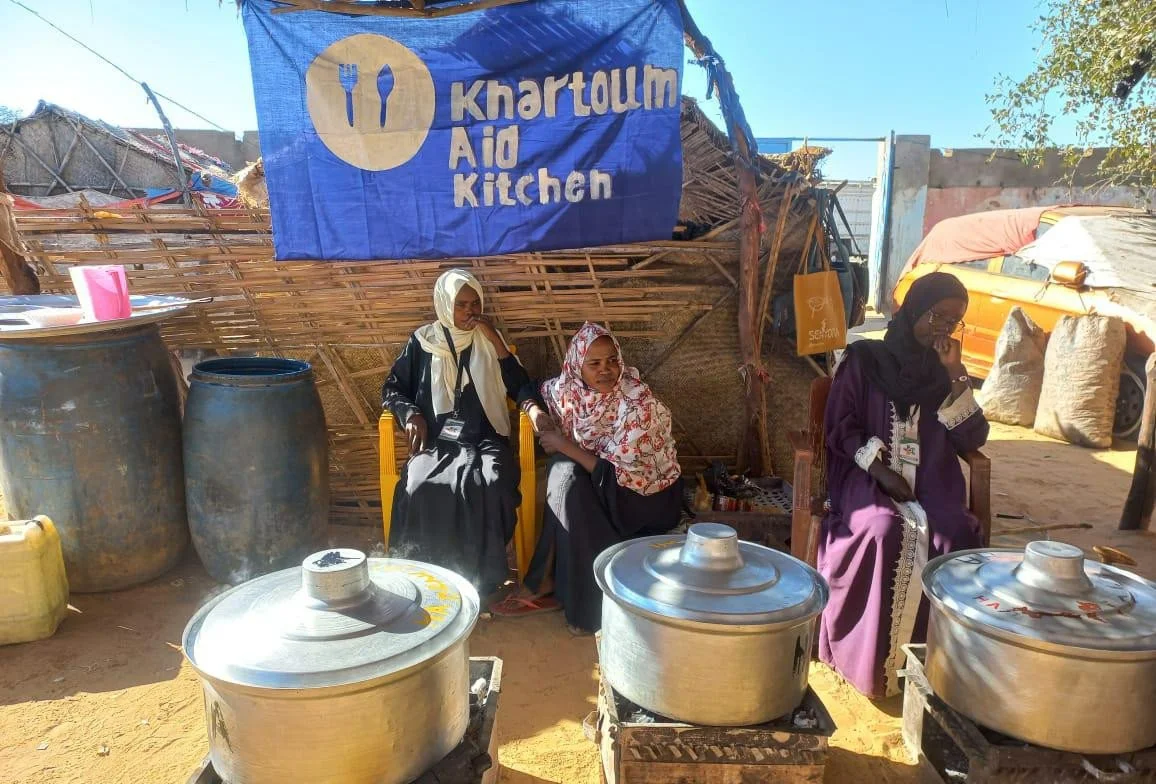
Khartoum Aid Kitchen

The Khartoum Aid Kitchen exists to save lives by providing for lifesaving support to those affected by the crisis in Sudan. By ensuring access to essential food and medicine, the initiative addresses the urgent needs of vulnerable individuals and families during these challenging times.
The Birth Of Wear The Peace
Founded in 2016, Wear The Peace’s founders, Murad Nofal & Mustafa Mabruk, set out to create a brand that spreads awareness to the atrocities happening around the world and simultaneously gives back with every purchase. The idea was sprung up by Murad after visiting the Zaatari Refugee Camp, the largest refugee camp in the world, in the summer of 2014. Murad witnessed people in horrendous living conditions all because their country was torn apart by war. The Zaatari camp, at the time, was quickly transforming towards becoming a permanent living space for many of the refugees in the camp. Nofal’s grandparents have lived in a refugee camp in Jordan since 1975 and the camp eventually turned into a permanent residency, an area where supermarkets, barbershops, and grocery stores began to appear making the living condition normal for the residents. Nofal kept contemplating how this could happen in today’s time, he questioned “why do humans have to live like this? Why is it that the place someone is born determines their quality of life?” He was 17 at the time and kept pondering these questions for years to come.
In 2016 Murad & Mustafa got together and brainstormed how they could make a difference. They were both children of refugees and both saw the direct outcome of the refugee crisis. After weeks of conversations, they came up with the brand, Wear The Peace, and made it a statement to ensure that the brand sent loving messages, spread awareness to issues around the world, and gave back to the humans who need it most. Wear The Peace is a brand that believes “Each one of us can make a difference. Together we make change.” Wear The Peace encapsulated this idea of “together we make change” into the brand by creating their Buy One Give One initiative and The All Profits initiative, which allows customers to directly make an impact on another human’s life just by purchasing from the brand.